Top 10 Backyard Archery Practice Tips
Some links on this page are affiliate links. If you buy through them, we may earn a small commission at no extra cost to you. Learn more.
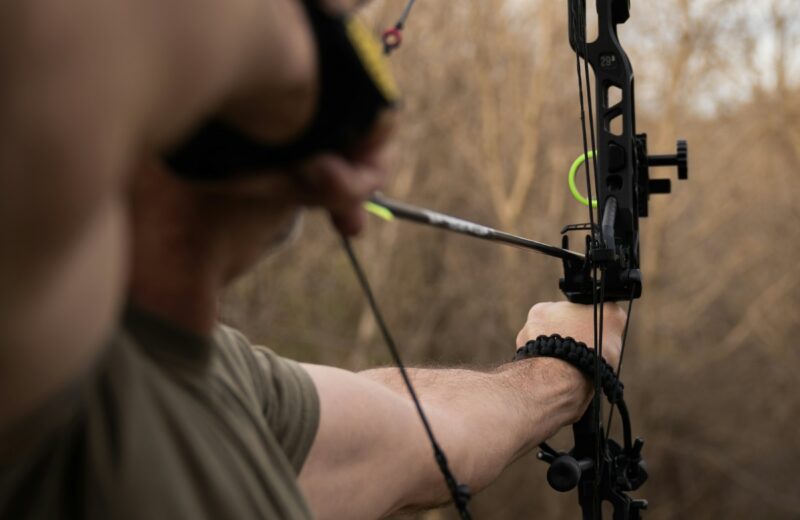
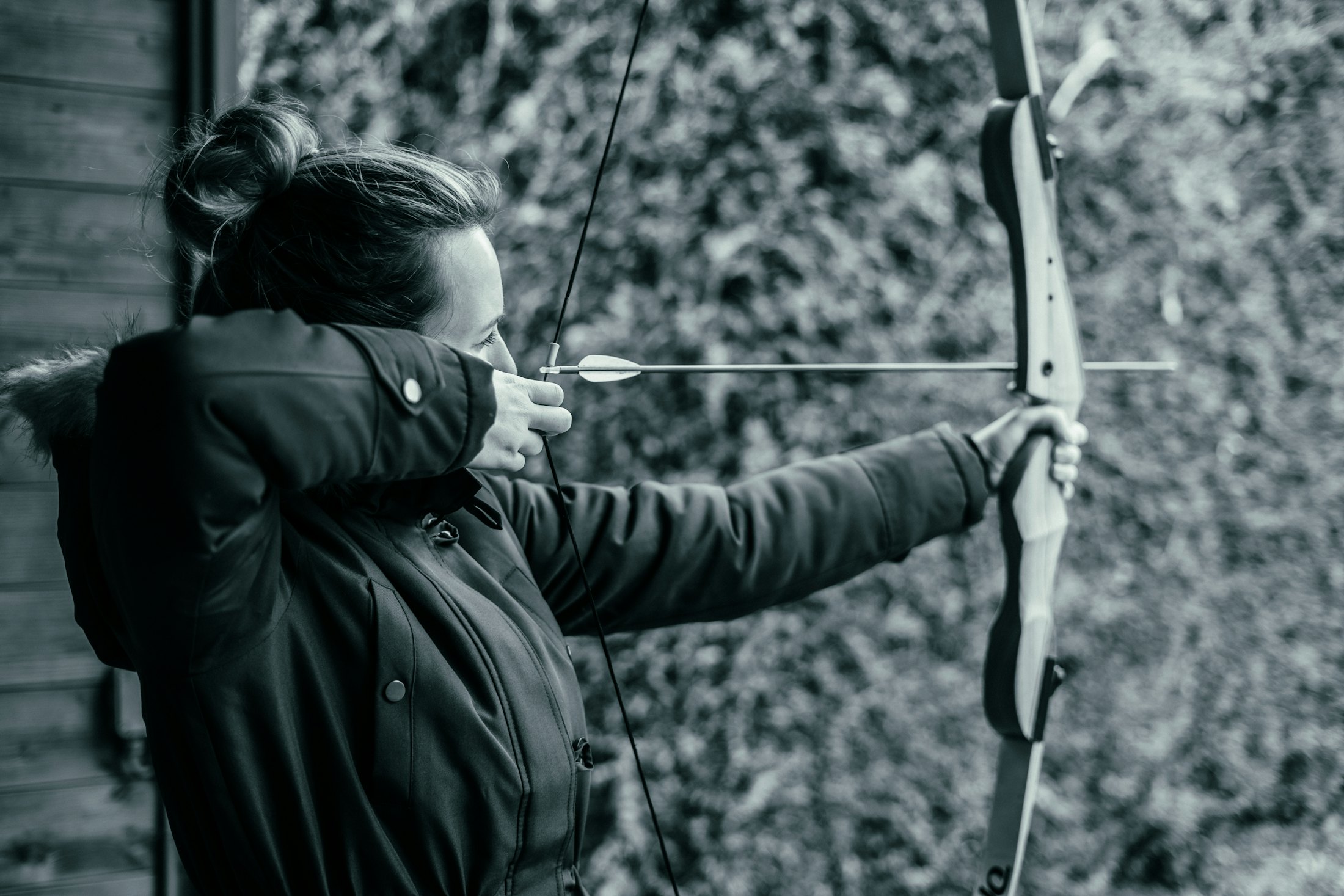
A backyard range is one of the best ways to get better with a bow. You can shoot a few arrows before work or after dinner without driving anywhere.
These tips are for target archers and bowhunters alike. The first three are about safety, and the rest will help you shoot better.
1. Set up a safe backstop and check the rules
Before you shoot a single arrow, find out if backyard archery is allowed where you live. City and county rules differ, and some neighborhoods, HOAs, and landlords ban it. Check first.
Then think about misses. Every arrow that skips past the target needs somewhere safe to stop.
- Shoot toward a hill, a solid wall of stacked bales, or archery backstop netting.
- Never shoot toward a house, road, sidewalk, or a gap in the fence.
- Let your neighbors know what you’re doing. It heads off a lot of worry.
Keep the grass short behind the target, too. Arrows that miss can hide in the lawn, and a lost arrow is a hazard for bare feet and mowers.
2. Pick the right target
Different targets are made for different points. Bag targets work well for field points and make arrows easy to pull. Foam block targets are the usual choice for broadheads.
Replace a target when arrows start passing too deep or slipping through. A worn-out target can damage arrows or let them through.
Size matters too. A bigger target gives you more room while you’re learning and keeps stray arrows off the backstop.
3. Know what’s downrange every time
Kids and pets move fast. Look past your target before every end, not just when you start.
Make a simple rule for everyone. Nobody walks in front of the shooting line until all shooters are done, and everyone walks up to pull arrows together.
When you pull arrows, stand to the side of the target and make sure nobody is standing right behind you. Arrows can pop free fast.
4. Warm up close
Don’t start at your longest distance. Begin at about 10 yards and shoot a few ends with your mind on form, not score.
Some archers also do a few shots up close into a large target with their eyes closed. With no aiming to think about, you can feel your draw, anchor, and release. Only do this at very close range with a big target in front of you.
Once your groups look tight, move back five yards at a time.
5. Work on the basics of form
Most accuracy problems come back to form. Keep it simple and do it the same way each shot.
If you can, have a pro shop or coach watch you shoot. They can spot problems you can’t feel, and one short lesson can save months of bad habits.
- Stance. Feet about shoulder width apart, balanced, and in the same spot every time.
- Grip. Keep your bow hand relaxed. A tight grip twists the bow.
- Anchor. Draw to the same spot on your face every time.
- Release. Let the shot surprise you instead of punching the trigger or plucking the string.
- Follow through. Keep the bow up and your eye on the target until the arrow hits.
6. Keep sessions short and focused
When you get tired, your form breaks down. Then you start practicing bad habits.
Our rule is to stop while you’re still shooting well. Twenty minutes of careful shots does more good than an hour of flinging arrows. Shooting a little most days beats one long session a week.
Try setting a number before you start, like six ends of three arrows. Knowing you only have so many shots makes each one count.
7. Practice at many distances
Game and 3D targets don’t stand at even numbers. If you only shoot at 20 and 30 yards, odd distances can throw you off.
Move your target around. Shoot at 17, 23, and 34 yards. Guess the distance first, then check it with a rangefinder. It trains your eye and your sight picture at the same time.
A few small stakes or flags in the yard at set distances make moving the target quick.
8. Practice the shots you’ll take hunting
Hunters rarely shoot standing on flat ground in a T-shirt. Practice the way you’ll hunt.
- Shoot from a kneeling or sitting position, like you would in a ground blind.
- Practice from a raised platform or stand, always with a full body harness on.
- When shooting down at an angle, bend at the waist instead of dropping your bow arm.
- Wear your hunting jacket and gloves for some sessions so nothing surprises you in the field.
9. Practice with broadheads before the season
Broadheads don’t always hit where field points do. It’s better to find that out in August than on opening day.
Spin each broadhead on its arrow first. A wobble means the head or insert isn’t lined up straight, so fix that before you blame your bow.
Shoot them into a broadhead target, not your bag target. If they group away from your field points, your bow may need tuning. A pro shop can help. Handle broadheads carefully and keep them covered when you’re not shooting.
10. Check your gear often
Look over your arrows after every session. Flex each carbon arrow gently while listening and feeling for cracks. A cracked carbon arrow can break when you shoot it and hurt you, so throw it out.
Check nocks for cracks, too. Look at your string for fraying, and wax it when it starts to look dry. Tighten any loose bolts on your sight and rest. Never dry fire your bow. Shooting without an arrow can damage the bow and hurt you.
Keep a small notebook in your bow case. Write down the distances you shot, what felt good, and what felt off, so your next session starts where this one ended.